

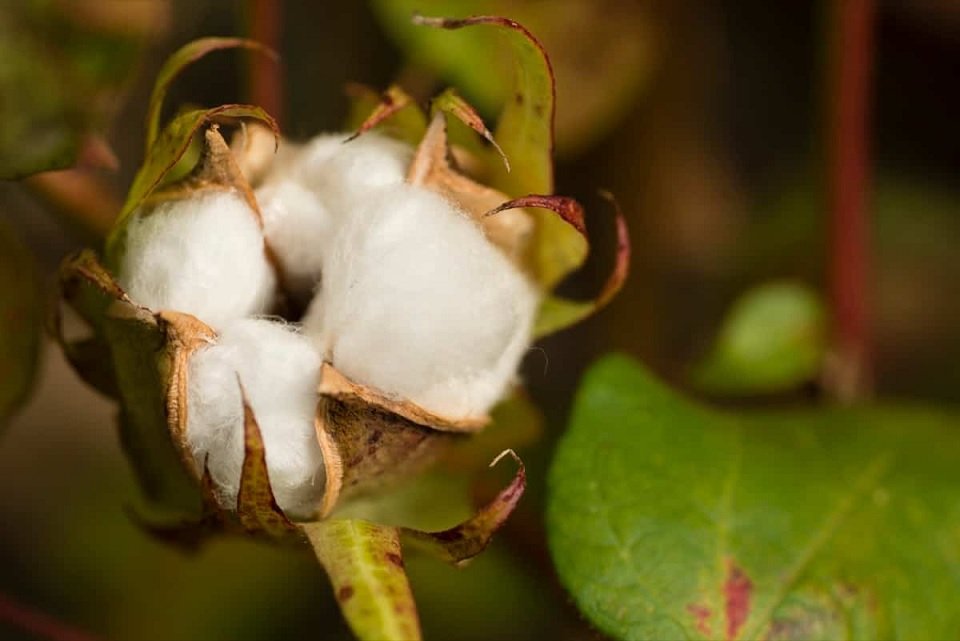
Cotton is one of the major cash crops grown in India. However, cotton farmers often face problems from insect pests that can damage the crop and reduce its yield.
Among these pests, whiteflies are a major concern. They feed on plant sap, weaken plants, and may contribute to the spread of diseases. When whitefly populations increase, they can impact crop health and reduce productivity. This makes timely and effective management essential.
A comprehensive approach to whitefly management combines regular monitoring, cultural practices, biological control and the careful use of insecticides. By following an integrated strategy, farmers can better protect their cotton crops throughout the season.
Understanding Whitefly Infestation
Whiteflies are small, sap-sucking insects usually found on the underside of leaves. Both nymphs and adults feed on plant sap which can lead to leaf yellowing, reduced vigor, and poor plant development.
Another concern is the honeydew they excrete while feeding. This sticky substance encourages the growth of sooty mold on leaves, which can reduce photosynthesis and affect overall crop performance. Early detection is important because whitefly populations can build up quickly under favorable conditions.
Cultural Practices for Better Control
Good crop management plays a key role in reducing whitefly pressure.
Some useful practices include:
- Removing weeds that can act as alternate hosts.
- Maintaining proper plant spacing to improve air circulation.
- Avoiding excessive nitrogen fertilizer application, which may encourage pest buildup.
- Using healthy seeds and following recommended agronomic practices.
- Destroying crop residues after harvest to reduce pest carryover.
Regular field checks can help spot pest infestations before they become serious. Looking under leaves and watching pest activity at different crop stages can help farmers take action at the right time.
Encouraging Natural Enemies
Several beneficial insects naturally feed on whiteflies. Conserving these natural enemies can help keep pest populations under control.
Farmers can support biological control by:
- Avoiding unnecessary insecticide applications.
- Following recommended doses when chemical control is required.
- Preserving beneficial insect habitats around the field.
An integrated pest management approach that combines biological and chemical tools often provides more sustainable results.
The Role of Insecticides in Whitefly Management
When whitefly populations reach damaging levels, insecticides may be needed as part of an integrated management program. Product selection should be based on the target pest, crop stage, and local recommendations.
For cotton, it is important to rotate insecticides with different modes of action whenever possible. This approach may help reduce the risk of resistance development and maintain long-term effectiveness.
Solomon for Cotton Pest Management
Solomon is an insecticide formulation containing Betacyfluthrin 8.49% w/w and Imidacloprid 19.81% w/w. The product combines systemic and contact activity and is designed for the management of both chewing and sucking pests.
The formulation is based on Oil Dispersion Technology (O-TEQ), which is intended to support rainfastness, retention, and penetration. The product provides both contact and systemic activity and offers a broad spectrum of control against multiple pests.
For cotton, Solomon is recommended for the management of jassids and whiteflies. The recommended dose is 200 ml per hectare with 500 liters of water. As with any crop protection product, farmers should carefully follow label instructions and local recommendations regarding application and safety measures.
Conclusion
Managing whiteflies in cotton requires more than a single solution. Regular monitoring, good agronomic practices, conservation of beneficial insects, and responsible insecticide use all play an important role. An integrated approach can help farmers respond to changing pest pressure while supporting crop health throughout the season.
When used according to label recommendations, Solomon insecticide can be one of the tools included in a comprehensive whitefly management strategy.